How to Make Perfect Over-Easy Eggs

Learn how to make the perfect over-easy eggs with fully set whites and golden runny yolks that stay intact until you cut them open!

You know, something about perfectly over-easy eggs just hits the spot. Not to mention how quick and straightforward this over-easy eggs recipe truly is!
Unlike sunny-side-up eggs, which are only cooked on one side and not flipped, over-easy eggs are cooked on both sides.
Crack a couple of fresh eggs into a hot skillet with homemade butter. Let the egg whites gently set, flip them over, and cook for a minute more, leaving the yolks nice and runny.
They cook up super fast, which is great when you're hungry and in a hurry.
If you like a fully cooked yolk, check out our tutorial on how to make perfect over-hard eggs, or over-medium if you want them more jammy.
Ingredients & Equipment
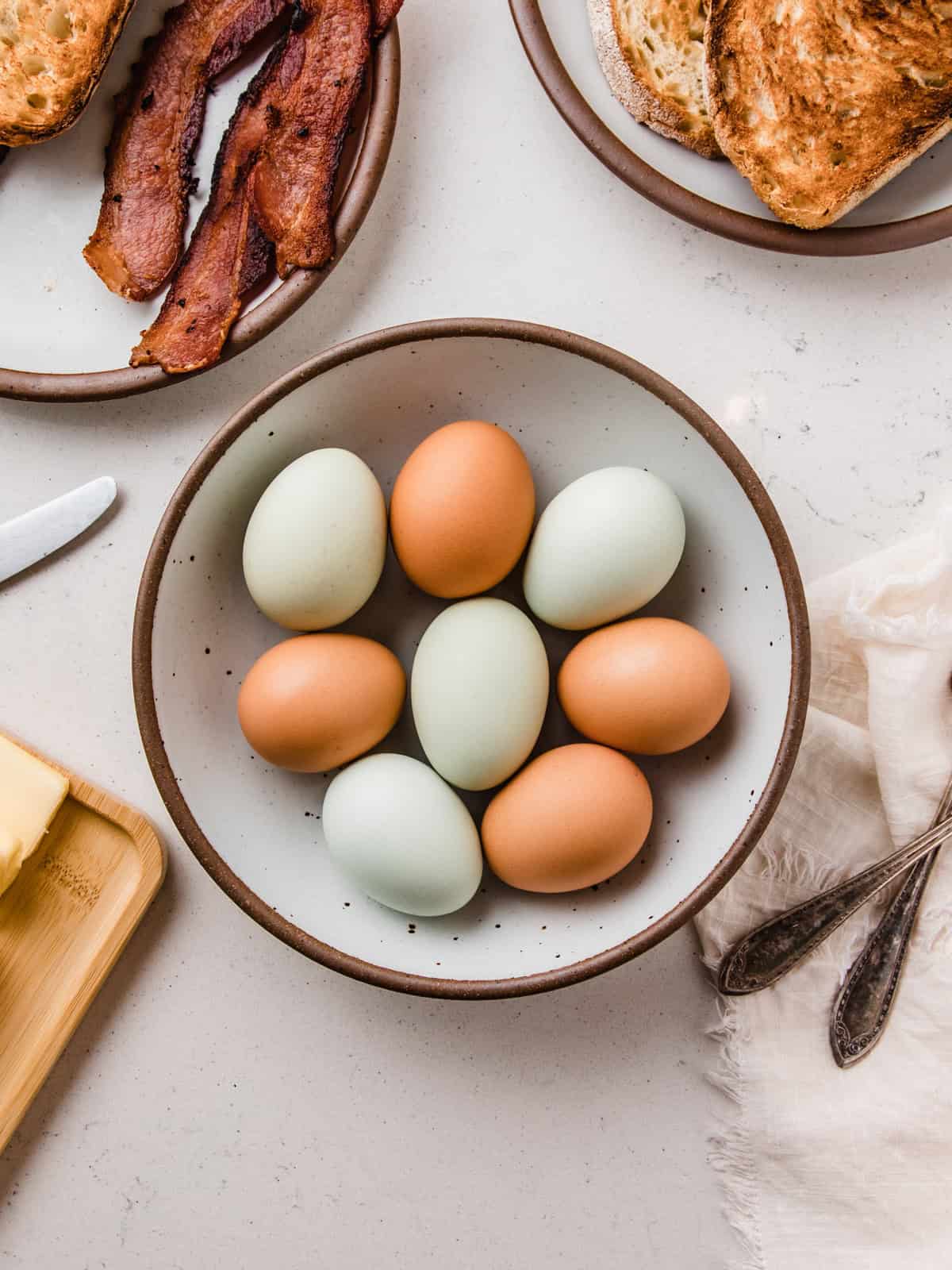
- eggs: Look for the highest-quality, large eggs within your budget. Even better if you can find farm-fresh eggs. A bright orange yolk means more nutrition!
- butter: Butter is my go-to for frying eggs because it gives them that rich, yummy flavor you can't beat. Other cooking fats like avocado oil, olive oil, or bacon grease can be used in place of butter.
- salt and pepper: A sprinkle of kosher salt and pepper is all the eggs need to make them taste just right—simple and delicious every time.
- skillet: Use a cast iron skillet, non-stick pan, or stainless steel pan to make fried eggs.

Pro Tip
Preheat the pan: Make sure the pan is properly preheated on medium-low heat before cooking the egg. I suggest preheating the pan for about 2 minutes with the butter before adding the egg.
Cook over medium-low heat: Cook the egg on medium-low heat to allow the whites to set without overcooking the yolk and burning the whites. High heat will cause the egg whites to cook to quickly, resulting in crispy egdes.
Spatula: Use a thin, wide rubber or stainless steel spatula to get under the egg smoothly.
Don't overcrowd the pan: Only cook one to two eggs at a time to prevent the eggs from running together in the pan. This allows each egg to cook evenly without merging together.
Use fresh eggs: Fresh eggs have stronger proteins in their whites, which help them hold their shape better when cooking. Older eggs tend to spread out thinly in the pan.
How to Make Perfect Over-Easy Eggs

Step 1: Melt the butter
In a nonstick skillet or cast iron pan, melt the butter over medium-low heat for about 2 minutes.
Medium-low heat is typically around 2.5-3 on a scale of 1 to 10, where 1 is the lowest setting and 10 is the highest.

Step 2: Cook the egg
Crack the egg on a flat surface and gently open it over the pan, ensuring the yolk doesn't break. (You can also break the egg into a small bowl before pouring it into the pan to help prevent the yolk from breaking.)
Let the egg cook for 1-2 minutes, until the white is almost fully set.

Step 3: Flip the egg
Using a thin, wide spatula, slide it gently under the edges of the egg, making sure to get under the yolk. In one smooth motion, quickly but gently flip the egg over.
Cook for 30 seconds to 1 minute on the second side until the whites of the egg is opaque and cooked through.

Step 4: Serve
Gently slide the spatula under the egg, lift it from the pan, and carefully place it on a plate to serve.
Season with salt and black pepper.
How to serve perfect over-easy eggs
For a classic breakfast combo, serve these perfectly over-easy eggs on buttered toast with bacon or maple turkey sausage. They are also great on avocado toast or in a breakfast sandwich.
Enjoy them alongside sourdough waffles or toasted sourdough bagels. They're perfect for soaking up those runny yolks!

Subscribe to our newsletter and we'll send you more fresh recipes, valuable troubleshooting advice, useful tips, and other information we believe will be helpful to you!


Perfect Over-Easy Eggs
INGREDIENTS
- 2 large eggs
- 1 tablespoon butter
- salt and pepper (to taste)
INSTRUCTIONS
- Heat a non stick or cast iron pan over medium-low heat for about 2 to 3 minutes. Melt the butter in the pan.
- Crack the egg on a flat surface and gently open it over the pan. Allow the egg to cook undisturbed for 1-2 minutes, until the whites are almost set.
- Using a thin, wide spatula, slide it gently under the egg, making sure to get under the yolk. In one smooth motion, quickly flip the egg over. Cook for an additional 30 seconds to 1 minute until the yolk is slightly set.
- Gently slide the spatula under the egg, lift it from the pan, and carefully place it on a plate to serve. Season with salt and pepper.
Nutrition
The key is to use a nonstick pan, add enough oil or butter, and let the egg cook until the whites are fully set. This prevents the egg from sticking.
Use a wide rubber spatula to get completely under the yolk, and flipping it gently will help keep the egg intact.
The trick to cooking eggs over easy is to use a nonstick pan, preheat it to medium-low heat, add enough oil or butter, and cook the egg until the whites are fully set. Then, gently flip the egg with a wide rubber spatula to avoid breaking the yolk, and cook for 30 seconds to 1 minute on the other side.

works great done it for years
I didnt' realize it was this easy to make!