
Signs that your sourdough starter is ready to bake with
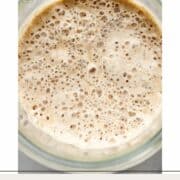


This detailed guide teaches how to tell when your sourdough starter is ready to bake.

Is my sourdough starter ready to bake with?
There are several ways to determine if your sourdough starter is ready to use for baking sourdough bread or other sourdough recipes.
Let's go over a few things for you to look for!
Sign #1
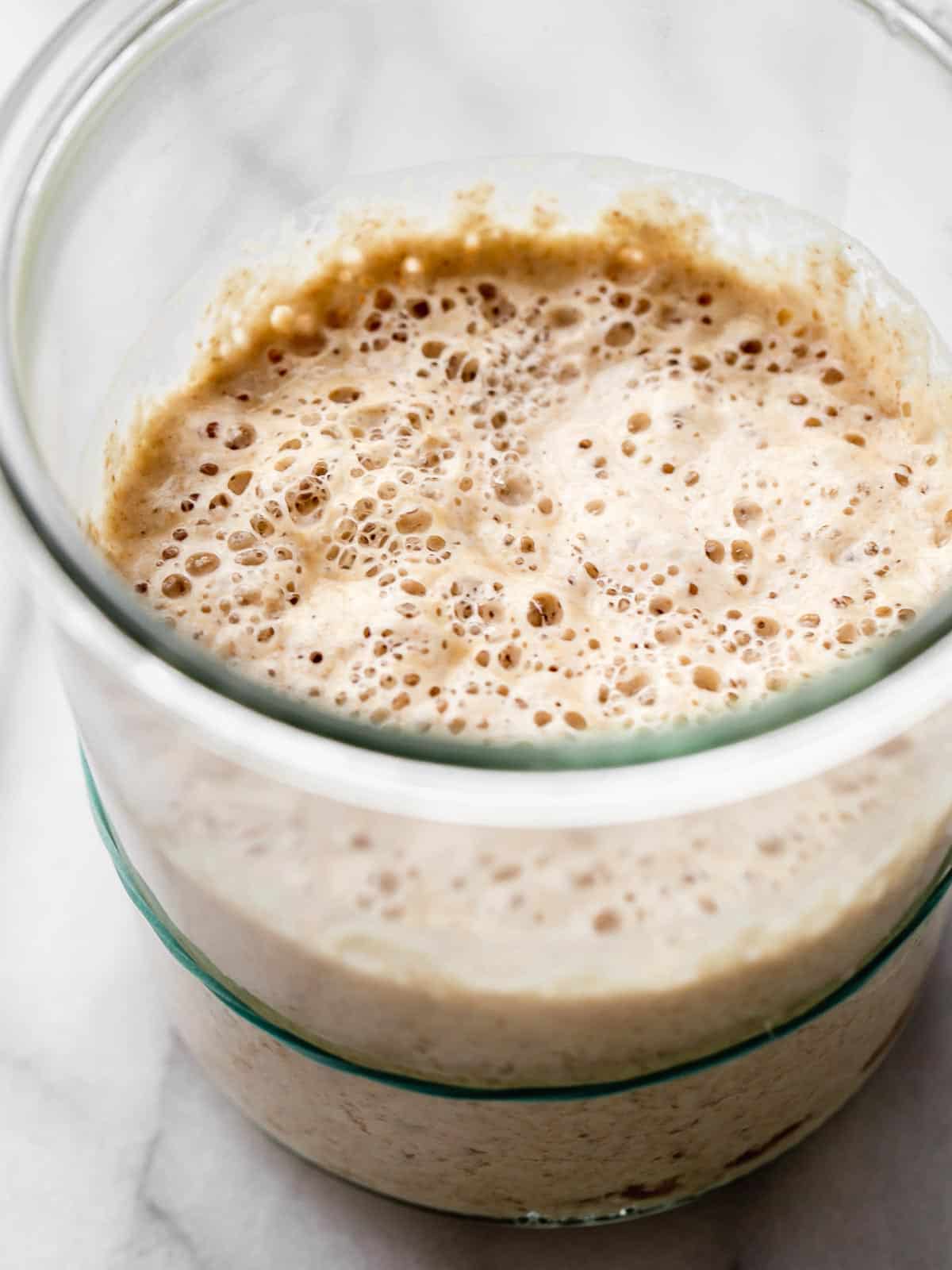
After feeding your starter, it should double or triple in size with bubbles visible on the surface and sides of the jar.
Sign #2
The starter should have a light and airy texture. When you scoop a spoonful or take a small amount, it should be fluffy and slightly stretchy.
Sign #3
A mature and healthy sourdough starter will have a pleasant, slightly tangy aroma. It might have hints of acidity and fermentation, but it should not have any off-putting or unpleasant odors, such as a strong vinegar-like smell or a foul odor.
Sign #4
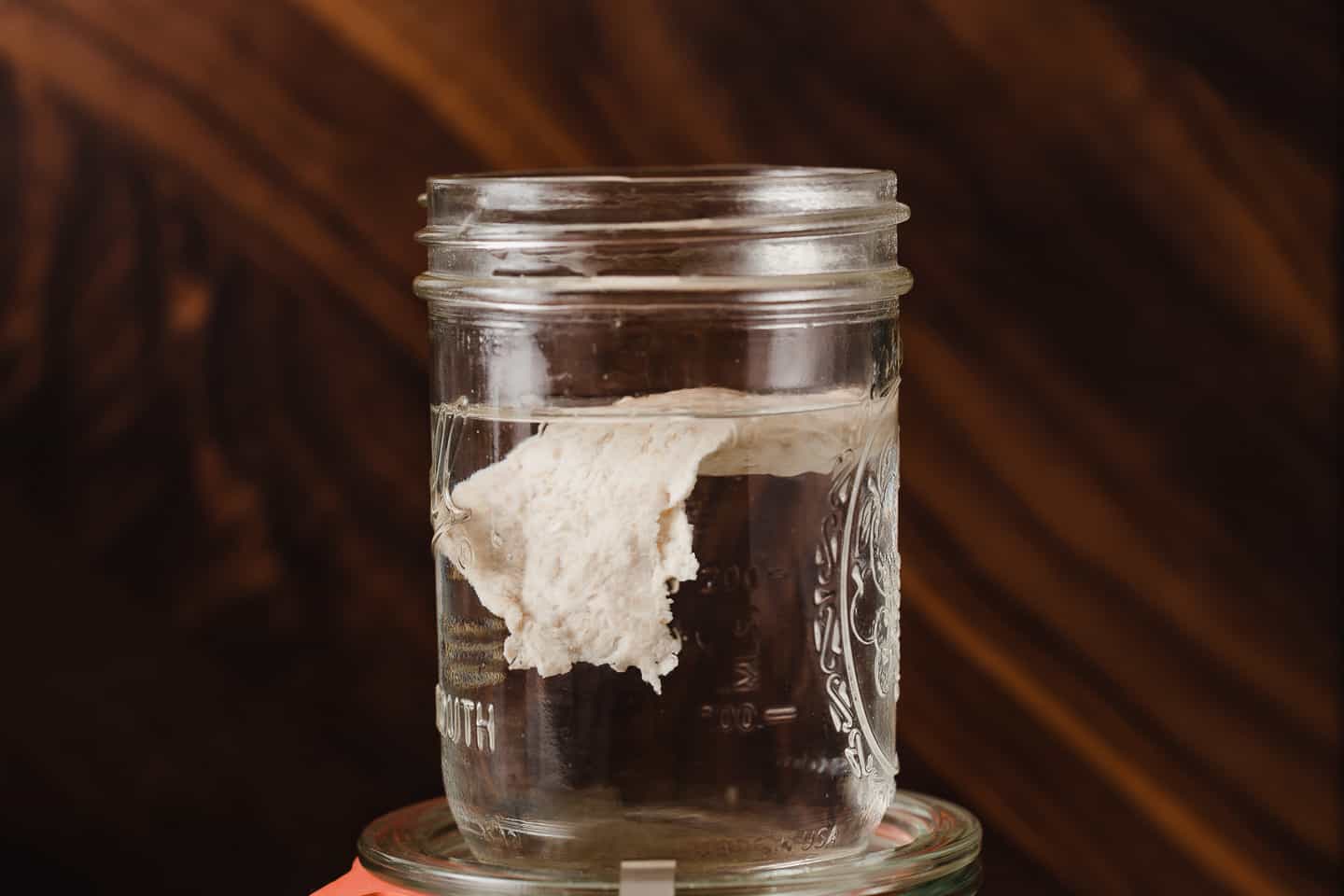
You can perform a float test to check if your starter is ready. Drop a small spoonful of the starter into a glass of water. If it floats, it indicates that the starter is sufficiently active and ready for use.
It's important to note that the readiness of a sourdough starter can vary based on factors such as temperature, feeding schedule, and the specific characteristics of your starter.
As you gain experience and become more familiar with your particular starter's behavior, you'll better understand when it's at its peak activity and readiness for baking.
How can I give my sourdough starter a boost?
If you want to give your sourdough starter a boost in activity, here are a few techniques you can try:
Adjust Feeding Frequency
Increase the frequency of feedings. Instead of feeding once daily, consider feeding twice daily, approximately every 12 hours.
Adjust Feeding Ratios
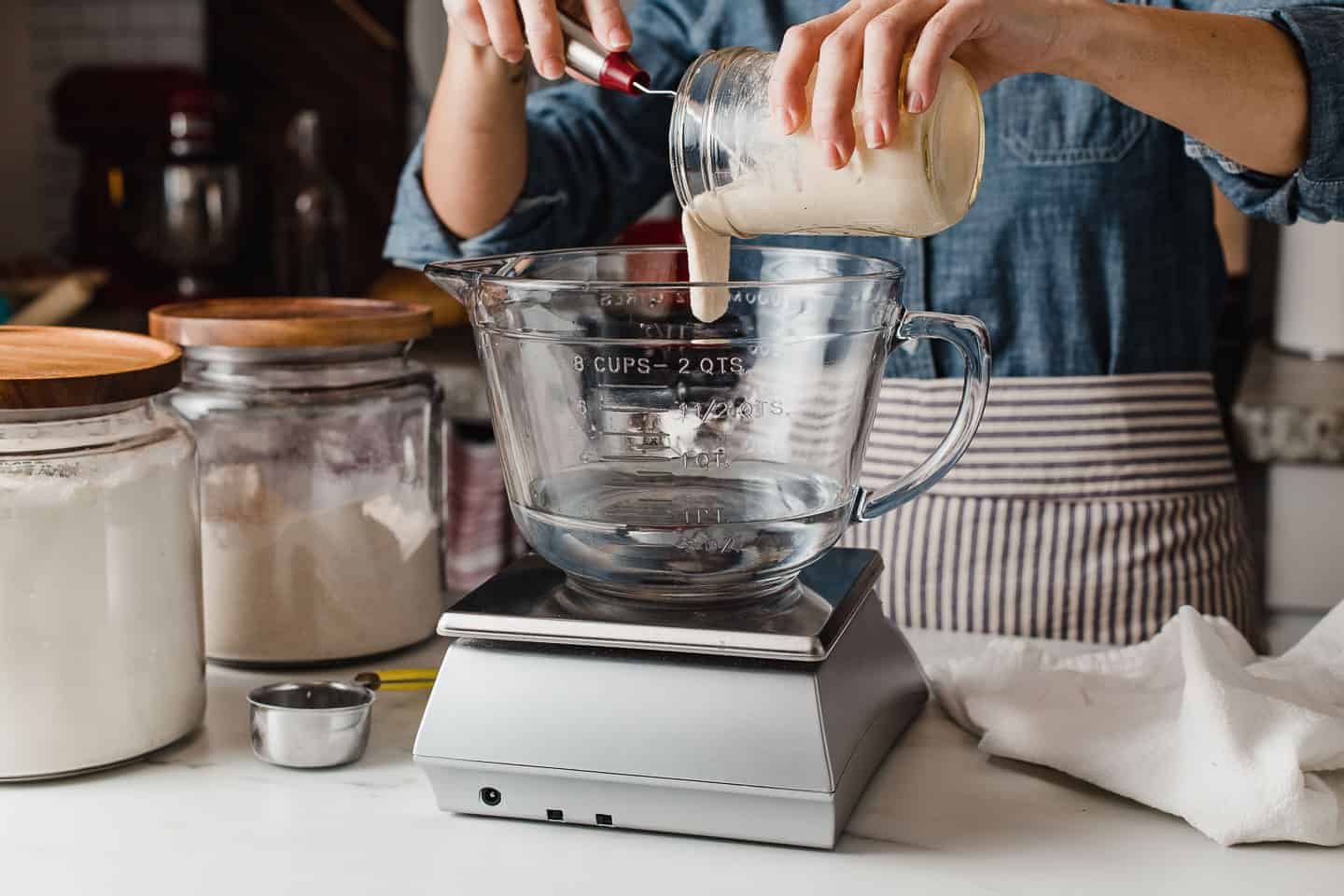
If you are currently using a 1:1:1 ratio of starter:flour:water by weight, try using a 1:2:2 ratio to give the starter more food between feedings.
I typically feed my starter in a 1:4:4 ratio, which allows it to rise slowly for about 12 hours. With this ratio, I can feed my starter before bed and mix my dough in the morning.
If I want to make dough within a few hours of feeding my starter, I will feed it in a 1:1:1 ratio, which will help it rise faster.
Use Warmer Temperatures
Sourdough fermentation thrives in a warm environment. If your kitchen is cooler, you can create a warmer spot for your starter by placing it near a mildly warm area like the top of a fridge or on a countertop with a gentle heat source. Just ensure it's not too hot to damage the starter.
Incorporate Whole Grains
Introduce whole grain flours like whole wheat or rye into your feeding routine. Whole grain flour tends to have higher levels of natural yeasts and bacteria, which can contribute to increased fermentation activity and flavor complexity.
I feed my sourdough starter with 75% all-purpose flour and 25% whole wheat flour mixture.
Pineapple Juice Method
Some bakers successfully give their starter a boost using the pineapple juice method. Substitute a portion of the water in your feeding with pineapple juice for a few feedings.
Maintain Consistent Feedings
Keep a regular feeding schedule and consistency in your feeding routine. This helps establish a stable and healthy environment for your starter, allowing the microbial population to thrive.
Every sourdough starter is unique and may respond differently to various methods.
Observing and adapting these techniques to suit your starter's specific needs and behavior is important.
Patience and consistency are key as you experiment and fine-tune your approach to boosting your sourdough starter's activity.

Hi! When you say to take 2 tablespoons starter and add 60 g each of flour and water, what is that ratio? In other words, about how many grams should the 2 tablespoons of starter be? Thank you!
This is a 1:2:2 ratio.
I have made several of your recipes and love them all! Thank you for making such easy instructions.
What do I do with my starter if I do not want to make bread every week? I keep discard in my fridge.
Hi Stephanie! You can keep it in the fridge (discard). Refrigerating the starter or discard slows down the activity. You can pull it out and feed it or use it for discard recipes.
I got a starter from a friend yesterday and fed it the 1:1 water/flour ratio and today it looks very watery and not rising. Can it be salvaged or should I toss it?
Give it some more flour to thicken it up; it should be the consistency of pancake batter, and let it rise for as long as it needs to bubble up.
What if I keep feeding my sourdough starter 2 tbsp and 60 g of flour and 60 grams of flour water more than 17 days
Hi Sarai, are you saying that you've fed your starter for 17 days and it is still not active?
my problem after 7 days is my starter will not float but the discard does float. I have been feeding every day. 2 tbsp. starter to 1/2 cup flour and 1/4 cup of water. starter rises everyday and bubbles. why doesn't it float?
Sometimes the float test doesn't work even though the starter is ready. If the starter is doubling after you feed it then I would go ahead and try to bake a loaf of sourdough.
Hi, I made a starter and I’m on day 8. It qualifies as ready per all of your steps to check except it didn’t float in water. I decided to try and boost it by switching to doing feedings every 12 hours. I also decided to try and finally do a new jar for it. I switched it to a new jar and was disappointed at the amount I was tossing so I ended up starting this new jar with 100 grams of starter. Then I did 1:1:1 with 100 grams of water and flour. Did I just commit to a huge starter? I have it in a 32 oz jar. Should I switch to 1:2:2 every 12 hours next feeding or keep doing 1:1:1 every 12 hours to keep it from being giant? Or just embrace it being giant and get a bigger jar and do 1:3:3 or 1:4:4?! Help what did I get myself into hahah.
Hi Katie, it sounds like after the feeding you have about 300 grams of starter in your 32 oz. jar. I would discard all but 2 tablespoons in the morning and feed it 60 grams water/flour. Add 2 tablespoons of water and 2 teaspoons of flour at night. This will keep your wasted down until the starter is established. You can collect the discard in a separate container and use it to make discard recipes instead of throwing it away. This discard can be kept in the fridge for several weeks, even months, without going bad. I hope this helps. Please let me know if you have any more questions!
And this is the perfect answer. I was given 100 grams of starter and was told to feed it and now I have 300 grams of starter and feed it 300 grams of flour and 300 mls of water and its huge. Now I know what to do 🙂
Can you mix different discards from different days together in one jar in the fridge ?
Yes, you can.
This is exactly what happened to me and thank you for asking the question, perfect 🙂