How to make Butter at Home


If you've ever wanted to try homemade butter, you'll love this easy method, which takes less than 10 minutes. We will even show you how to take it up a notch by making cultured butter for an extra depth of flavor.

If you've never tried homemade butter, trust me, you're missing out! Making butter is easy and quick. You can use a food processor, a blender, a stand mixer with a whisk attachment, or a mason jar.
If you like fermented foods and you're willing to take this recipe up a notch, why not try whipping up some cultured butter?
What is cultured butter?
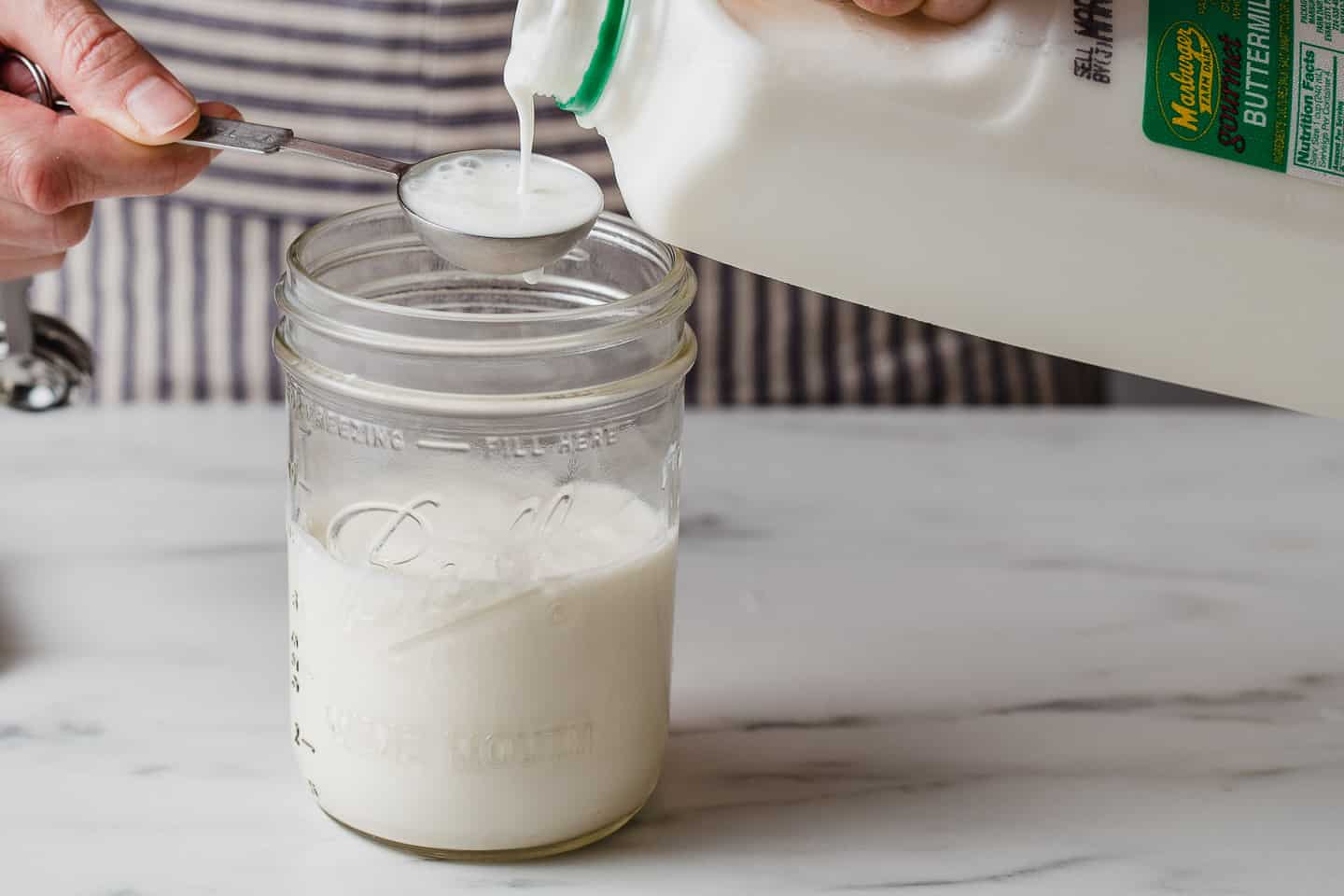
Cultured butter is made by mixing heavy cream with cultured buttermilk or yogurt and letting it ferment for 24-48 hours before churning.
The live bacteria in cultured buttermilk or yogurt create lactic acid during fermentation, giving the butter a slightly tangy flavor.
This extra step adds incredible depth to the flavor—you won’t regret it!
Step-by-step instructions
To make cultured butter
Add 1 tablespoon of cultured buttermilk or plain yogurt to 1 cup of heavy cream to make cultured butter. Cover and let the mixture ferment at room temperature for 24-48 hours before Step 1.
Step 1
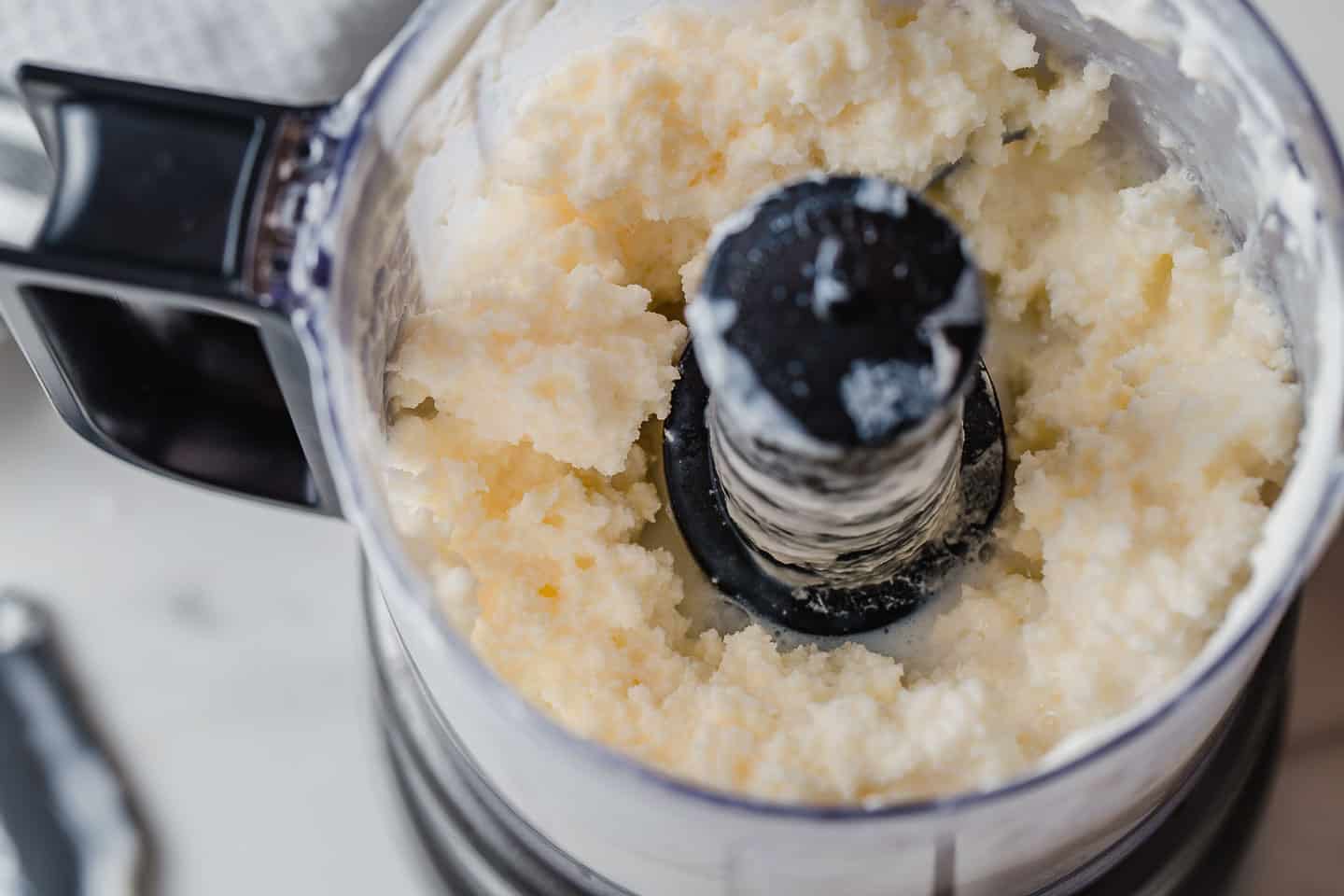
Pour 1 cup of heavy whipping cream, or the fermented milk, into a food processor. Process until the solids and liquid separate, about 3-5 minutes.
At first, the mixture thickens and turns into whipped cream. It may seem like nothing is changing for about a minute after that. Suddenly, the liquid starts splashing around in the container. Finally, the butter clumps together as it separates from the buttermilk.
Step 2
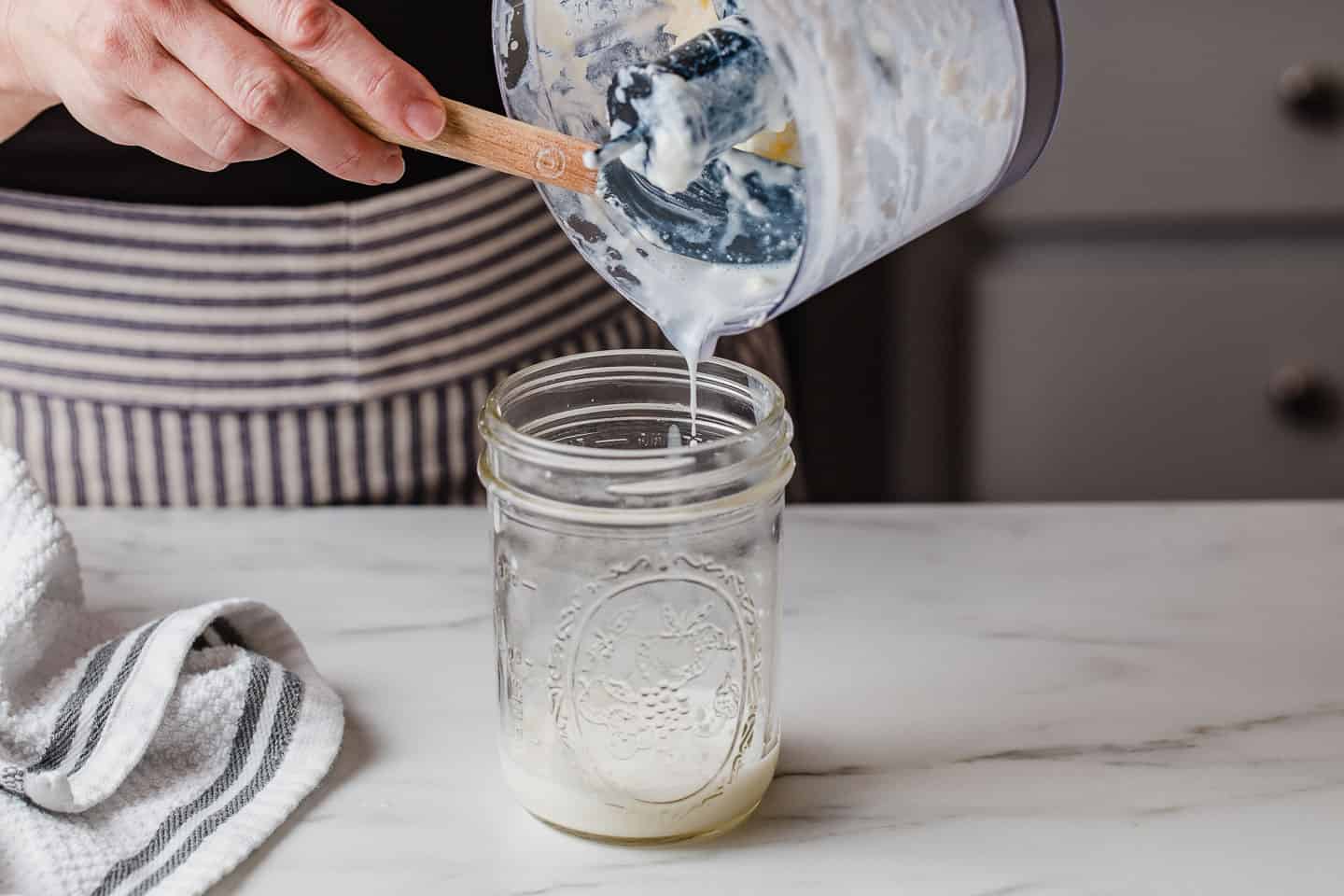
Pour the liquid (buttermilk) into a glass jar.
Pro Tip
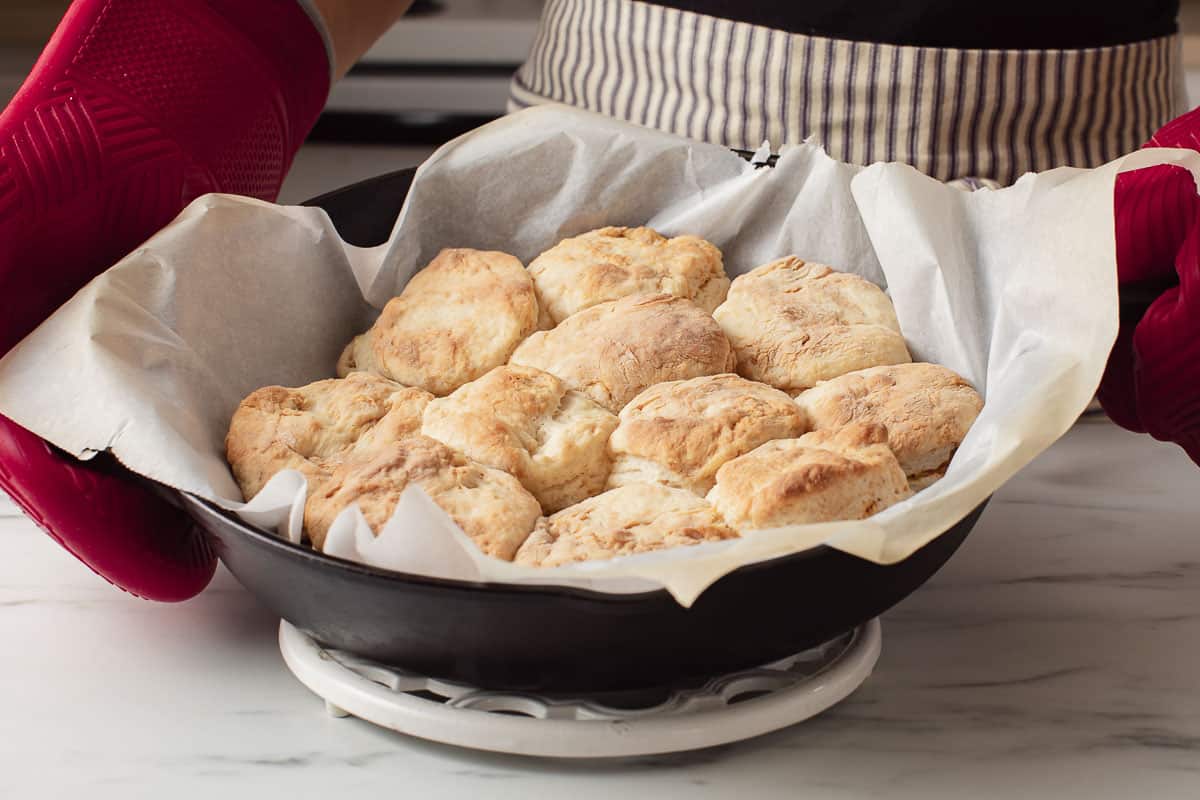
Don't throw away that excess buttermilk. Use it in recipes like our sourdough biscuits or sourdough pancakes and waffles!
Step 3
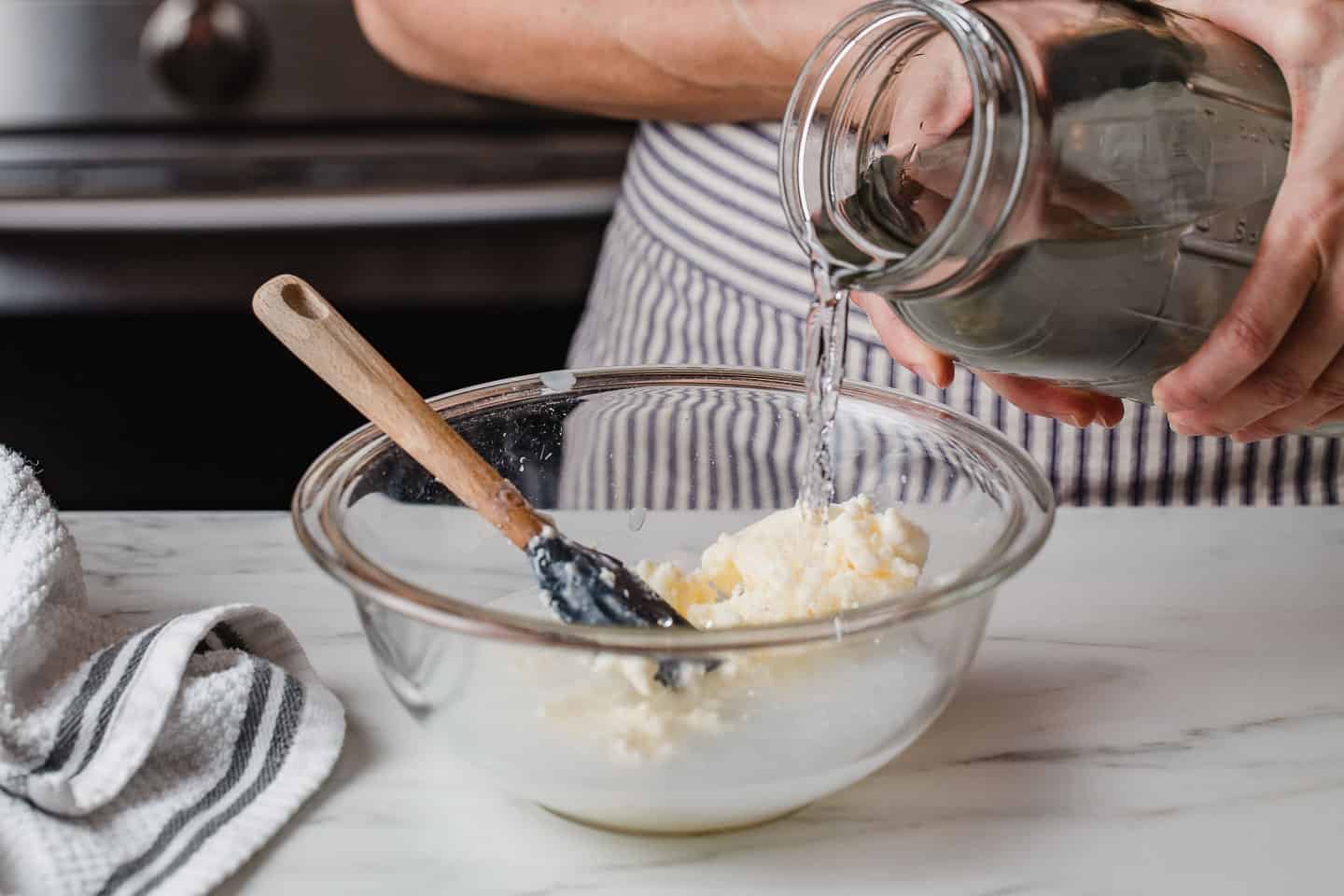
Cover the butter in a mixing bowl with cold water.
Step 4
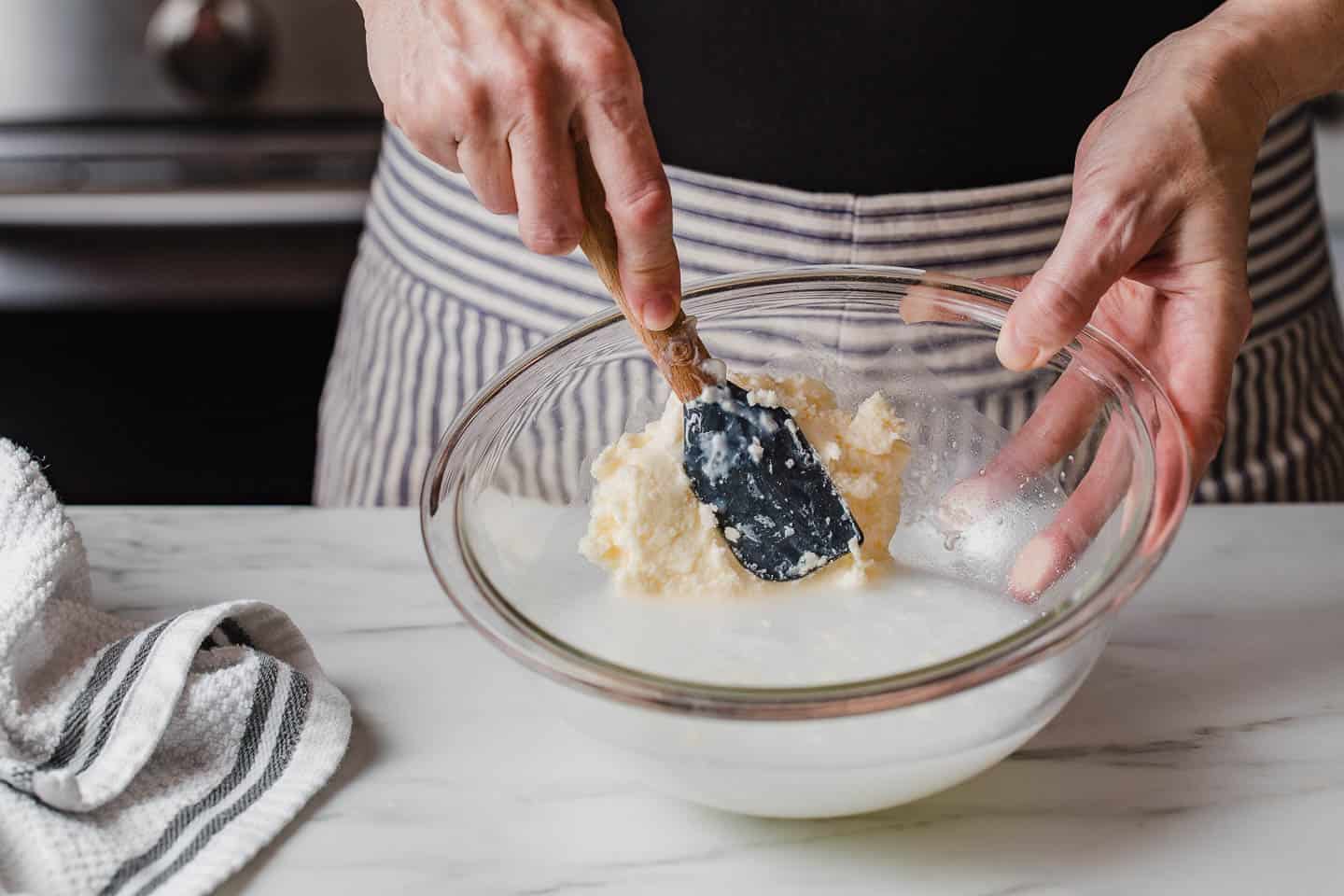
Use a large spatula to press the butter against the side of the bowl to squeeze out the buttermilk. Pour off the milky liquid and add fresh water. Repeat this process until the water stays clear.
Step 5
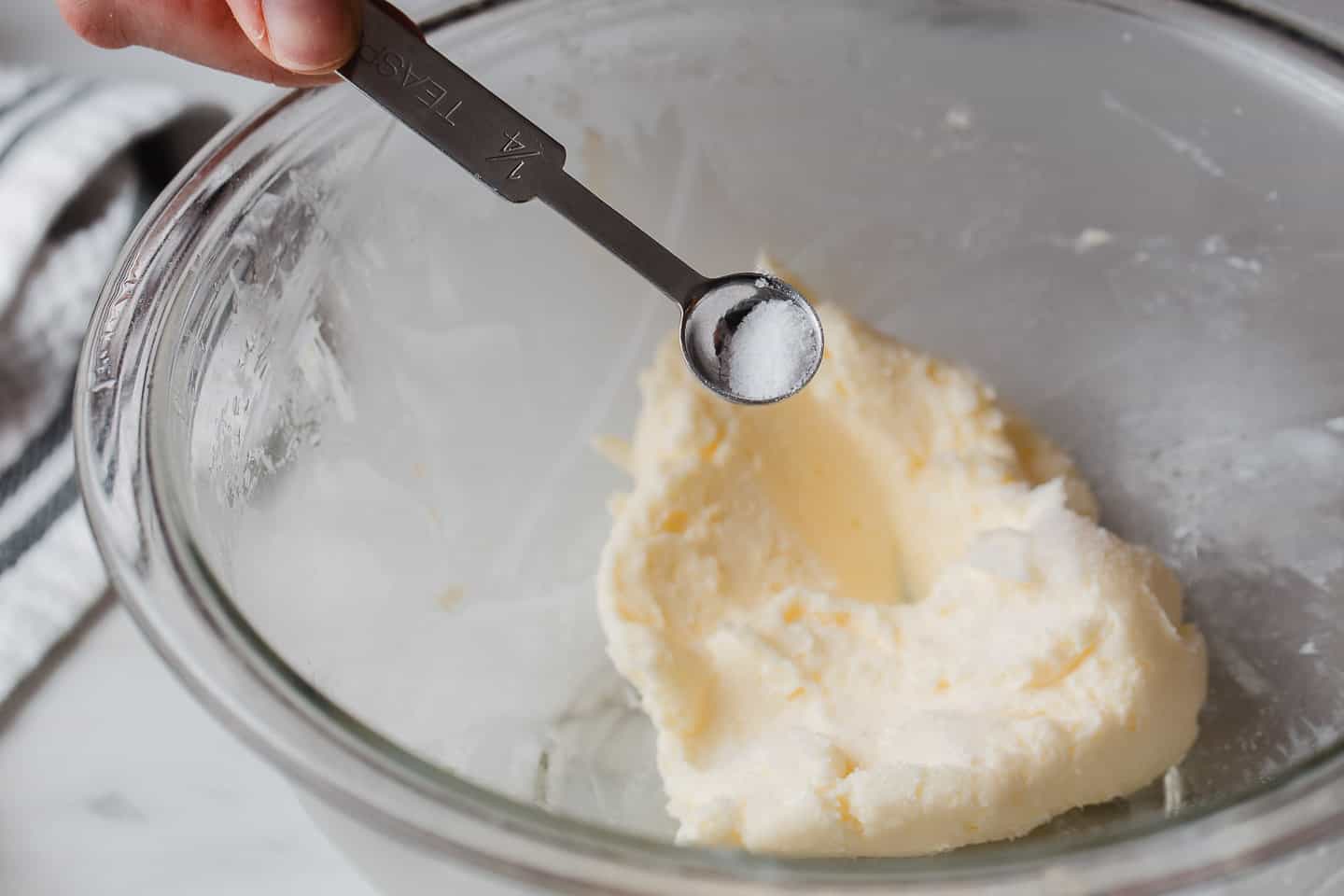
Pour off the water and press the butter a few more times to remove any remaining liquid.
Add ½ teaspoon of fine sea salt and mix it into the butter. If you prefer unsalted butter, simply skip the salt.

Step 6
Store in a container with a tight-fitting lid in the refrigerator.
Serve
Make savory compound butter by adding a variety of herbs, garlic, and spices, and serve it over air-fried shrimp or chicken.
This homemade butter recipe also tastes great with honey and cinnamon over sourdough English muffins.
How to Store
If you remove most of the buttermilk, the butter will stay fresh in the fridge for up to 2 weeks. If not, it may sour within a week.
Salted butter can be frozen for up to 1 year, unsalted butter for up to 9 months.
Common Questions
One cup of heavy cream makes about 8 tablespoons of butter and yields 3-4 ounces of buttermilk.
If you're making cultured butter with buttermilk, check the label to ensure it says "cultured buttermilk." This type contains the live bacteria needed for fermentation.
Adding salt to butter helps it last longer. If you prefer unsalted butter, store it in the fridge and use it within a week.
Yes, you can bake with homemade butter. Baking with homemade butter can give varied results since most recipes are tested with store-bought butter.


Subscribe to our newsletter and we'll send you more fresh recipes, valuable troubleshooting advice, useful tips, and other information we believe will be helpful to you!

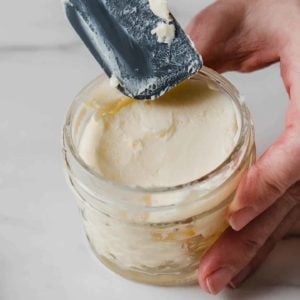
How to Make Homemade Butter
EQUIPMENT
- Bowl
- Spatula
- Glass jar with tight lid
INGREDIENTS
- 1 cup (240 g) heavy cream
- ¼ teaspoon (2 g) fine sea salt (optional)
Optional for cultured butter
- 1 tablespoon (15 g) cultured buttermilk (or yogurt)
INSTRUCTIONS
Cultured Butter (optional)
- Combine 1 cup of heavy cream with 1 tablespoon cultured buttermilk. Cover and let ferment at room temperature 24-48 hours before proceeding.
Homemade Butter
- Pour 1 cup of heavy cream into a food processor. Process for 3-5 minutes or until the fat separates from the liquid. Pour off the liquid (buttermilk) into a separate container to save for other recipes.
- Put the butter into a bowl and cover it with cold water. Use a spatula to press the butter into the side of the bowl to extract any remaining buttermilk. Repeat this process with fresh water until it remains clear after pressing.
- Pour off the water and press the butter until the water is extracted. Remove any remaining water from the bowl with a towel.
- Add ¼ teaspoon of salt and mix thoroughly. (Omit salt for unsalted butter)
- Store in a container with a lid or wrap in wax paper. Refrigerate for up to 2 weeks or leave at room temperature for up to 1 week.
NOTES
- If you are making cultured butter with buttermilk, make sure that the label on the buttermilk says "cultured buttermilk" which contains live bacteria needed for the fermentation process.
- Store in the fridge for up to two weeks.
Just made butter for the first time ever today with this recipe, it turned out SO good!!!
I did not do the cultured version… can I still use the “buttermilk” as regular buttermilk in recipes that call for it? I’ve tried googling but get mixed answers (more leaning towards no)… just curious if it’s something you’ve tried and whether it works. Thank you! 😊
I’ve been making homemade butter for almost a year now. We put them in silicone molds in 1/4lb sticks and use them in every baking recipe no problem! They bake exactly the same.
Hi there!! How much butter does this make?
Hi Jerilee, it makes roughly the equivalent of one stick of butter or 8 tablespoons.
Shaking cream in a container will make butter, but it is MUCH easier if you put a clothespin in with the cream. It is actually a great way to include kids. Let 2 kids sit across facing each other a few feet apart. They slowly roll the bottle back and forth between them. Butter is churned in no time at all!
Hi Cas! I actually tried that method but didn't post it because I could never get past the whipped cream stage!
I just made this recipe using yogurt and it worked well. I let it sit for about 30 hours. Is there any difference in taste or texture by leaving it out for the full 48 hours? Can you use the leftover buttermilk liquid from one batch of butter to put into another cup of heavy cream to start a new butter? I've also used your recipes to do a starter and make 4 loaves of sourdough so far!
There might be a slight difference with the longer fermentation time, but not much. You can use the leftover buttermilk for other recipes that call for buttermilk, like pancakes or coffee cake!